
commercial security systems Northwest Florida • Northwest Florida

Commercial security systems built around operations.

Connect video, access, vehicles, networks and alerts to the decisions managers actually need to make.

Direct answer

What should a commercial security system accomplish?

A commercial security system should help a business control entry, preserve usable evidence, detect defined events and recover quickly from failures. Cameras, access control, vehicle evidence, networks, storage, cybersecurity and response ownership should be planned around operations rather than sold as disconnected devices.

Field-informed guidance from Cybersmetrics • 16+ years in security integration • Updated September 22, 2026

Integrated architecture

Four systems that must operate as one plan.

Strong security connects evidence, access, infrastructure and operating responsibility. It does not leave the property with unrelated products and separate failure points.

01

Purpose-built video

Assign identification, transaction, overview, perimeter and vehicle views specific evidence objectives and acceptance tests.

02

Employee and visitor access

Use named credentials, schedules, prompt offboarding, visitor verification and auditable exceptions.

03

Perimeter and loading intelligence

Apply fixed evidence views and calibrated analytics where staff have a defined response.

04

Supportable infrastructure

Document networks, PoE, fiber, storage, power, administrator access, software support and configuration backups.

Property-zone planning

Match every zone to an operating result.

A device list is not a design. Each area needs a clear evidence, access or resilience objective and a measurable acceptance method.

Property zoneRequired objectiveScope and acceptance
Public and employee entrancesIdentify people and connect access events with contextControlled identification views, individual credentials, visitor workflow and accurate timestamps
Parking, perimeter and approachesDetect and reconstruct vehicle or after-hours activityOverview, LPR where required, tested analytics, lighting and named response ownership
Loading, inventory and restricted areasDocument transactions and control high-risk accessFixed evidence coverage, role-based permissions, event search and export procedures
Network, recorder and cloud administrationKeep systems available and reduce cyber exposureSegmentation, MFA, supported firmware, backups, health alerts and documented vendor access

Commercial infrastructure

A reliable commercial system is engineered below the camera layer.

Managed PoE, fiber, storage, segmentation, backup power and documentation determine whether video and access systems remain available when the business needs them.

View Cybersmetrics project proof
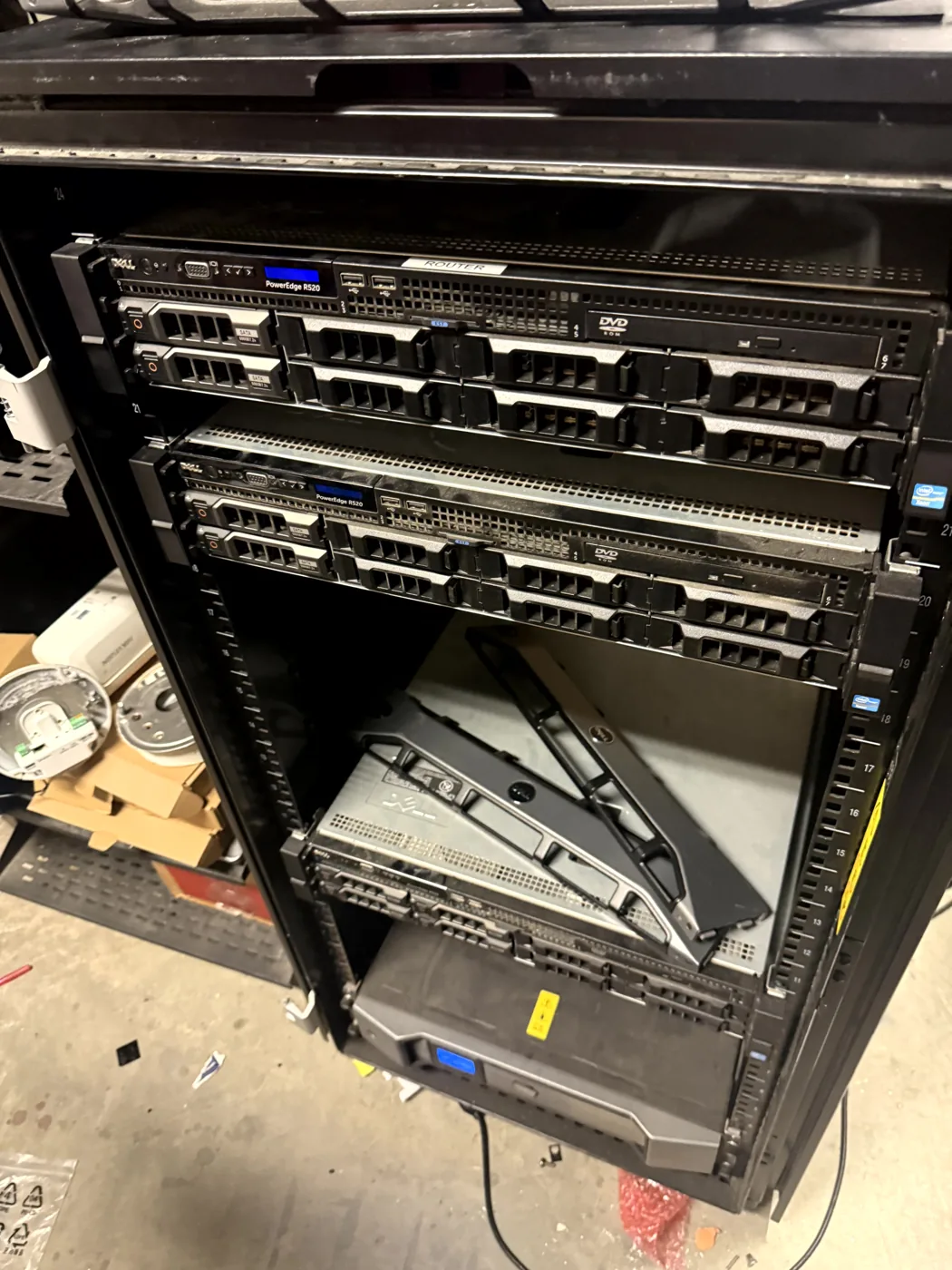
Documented commercial security network and recording infrastructureField experience • documented planning

Buyer decisions

What to settle before requesting proposals.

Clear requirements produce better proposals, fewer exclusions and a more defensible board or management decision.

01

Start with loss and operating risk

Prioritize the events the organization must prevent, explain or respond to before choosing platforms.

02

Integrate only where it improves work

Connect access, video, LPR and alerts when the relationship shortens response or investigation time.

03

Require measurable acceptance

Test image detail, recording, retention, credentials, alerts, outage recovery, training and documentation before final payment.

A defensible path

From unknown condition to accountable operation.

01

Assess

Inventory existing devices, accounts, infrastructure, failures, incidents and operational requirements.

02

Prioritize

Rank evidence, access, vehicle, network and cybersecurity needs by business consequence.

03

Implement

Build or phase the system with documented architecture, testing and change control.

04

Maintain

Track health, firmware, storage, credentials, repairs, support status and lifecycle replacements.

Businesses & Commercial Properties security FAQ

Direct answers for owners, boards and managers.

Use these questions to challenge a design, compare proposals and define the next responsible step.

Do commercial cameras use AI?+

Modern platforms can classify people and vehicles, detect perimeter events and accelerate forensic search. Performance depends on the scene, camera position, lighting and careful rule testing.

Can existing commercial security systems be modernized?+

Yes. Cybersmetrics evaluates cameras, recorders, networks, cabling and power before recommending what should remain, be repaired or be replaced.

What should a commercial security system include?+

The design may combine purpose-built video, access control, intercoms, LPR, intrusion detection, fiber, managed networks, recording, health alerts and response procedures. The correct mix follows the business risk and operating workflow.

Can access-control events be linked with security video?+

Compatible platforms can associate door, gate or intercom events with nearby video. The integration should be tested for time accuracy, search, permissions, retention and evidence export before acceptance.

Should a business repair or replace an older camera system?+

Repair is usually sensible when the platform remains supported and the failure is isolated. Phased modernization becomes stronger when recording is unreliable, parts or licensing are unavailable, or repeated infrastructure failures increase operating risk.

Start with verified conditions

Turn business risk into a security system your team can operate and maintain.

Request consultation ↗