
Discovery brief
Stakeholder goals, operating problems, existing conditions, constraints and priority risks.
The direct answer
It gives every bidder the same operating requirements, technical baseline, pricing format and acceptance tests.
Without that baseline, two proposals can show similar camera or door counts while carrying different coverage, retention, infrastructure, licensing, cybersecurity, warranty and service assumptions. The lowest number may simply be the least complete scope.
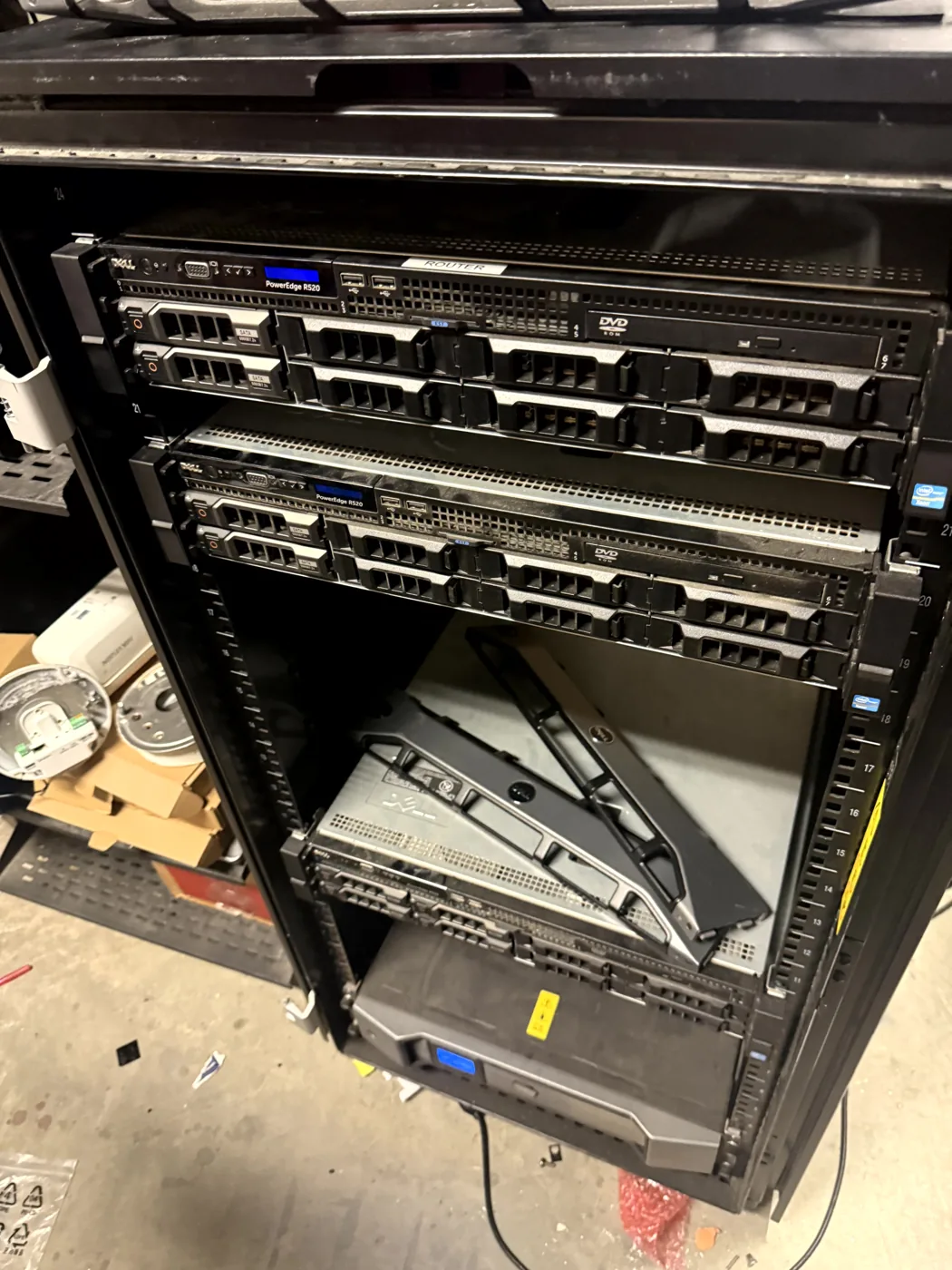 Infrastructure verified before specifications
Field-informed design
Cybersmetrics reviews pathways, power, fiber, switching, storage, field conditions and operator workflows before products become commitments. That separates necessary scope from sales assumptions.
Bid-ready deliverables
The exact package depends on project size, procurement method and how much existing infrastructure can be reused.
Stakeholder goals, operating problems, existing conditions, constraints and priority risks.
Camera purposes, doors, gates, intercoms, pathways, network rooms, fiber, power and system relationships.
Evidence, retention, access, uptime, cybersecurity, integration and environmental requirements.
Base scope, alternates, allowances, exclusions, recurring licenses and lifecycle costs organized consistently.
Side-by-side review of quantities, assumptions, substitutions, warranties, support and hidden gaps.
Day/night evidence tests, plate capture, analytics, exports, failover, training and closeout documentation.
Proposal comparison
Visual evidence planning
Each view should be assigned an outcome such as detection, overview, recognition, identification or plate capture, then tested under actual distance, motion and lighting conditions.
Read the surveillance buyer guide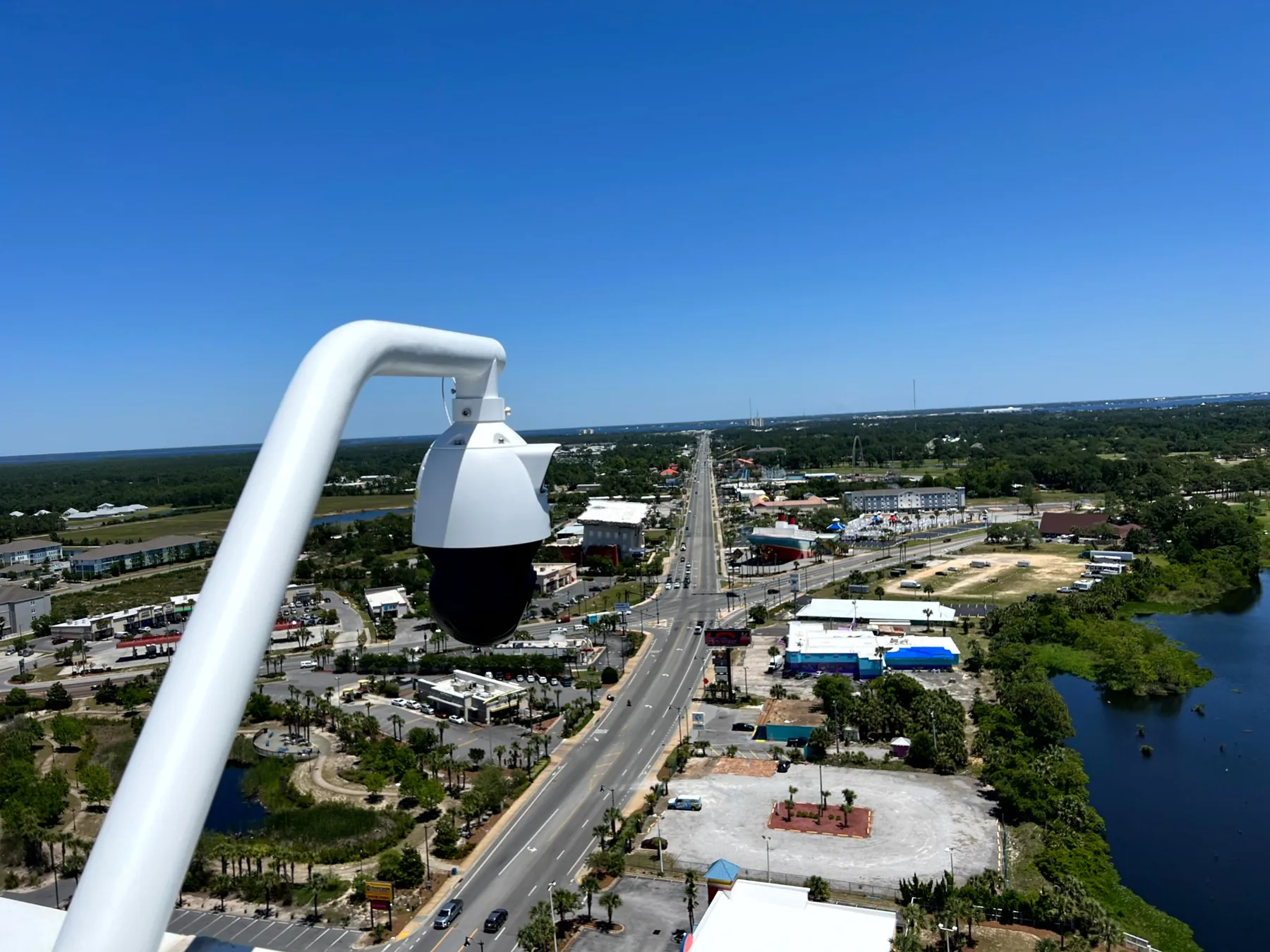 Coverage • evidence • acceptance
A defensible procurement path
Independent support is most valuable when it continues through bidder questions, substitutions and field verification.
Walk the property, interview stakeholders and document the operating problem.
Create drawings, schedules, calculations, specifications and pricing forms.
Answer bidder questions, document addenda and normalize proposals.
Evaluate submittals, substitutions, licensing and field coordination.
Test evidence, operation, resilience, training and documentation before acceptance.
Start the scope
Include the property type, current systems, decision deadline and whether you need design, competitive bidding, proposal comparison or commissioning support.
Security RFP questions
Use these questions to establish a fair technical and commercial comparison.
A useful RFP defines operating goals, existing conditions, system boundaries, performance requirements, drawings, cybersecurity expectations, bidder responsibilities, testing, training, documentation, alternates and measurable acceptance criteria.
Yes. We normalize exclusions, quantities, storage, coverage, licensing, network assumptions, warranty, support and lifecycle cost so a board or procurement team can compare scope—not just price.
Yes. Depending on the property, the package can cover video surveillance, access control, intercoms, automatic gates, LPR, fiber, networks, power, analytics and integrations.
Yes. A requirements-led package helps boards issue the same defined scope to bidders, document their decision and reduce ambiguous exclusions or change orders.
No. Vendors may recommend different products and approaches. A strong RFP makes those differences visible by defining the same required outcomes, interfaces, pricing structure and acceptance tests.
Ideally before bidders select equipment. Early involvement allows site conditions, stakeholder needs, infrastructure and procurement rules to shape one neutral scope instead of reverse-engineering competing proposals later.
Define the outcome first